Save our beautiful Planet

Independent magazine · Facebook community

Save our beautiful Planet

An independent editorial publication connected with the Save our beautiful Planet Facebook community.

Read the magazine
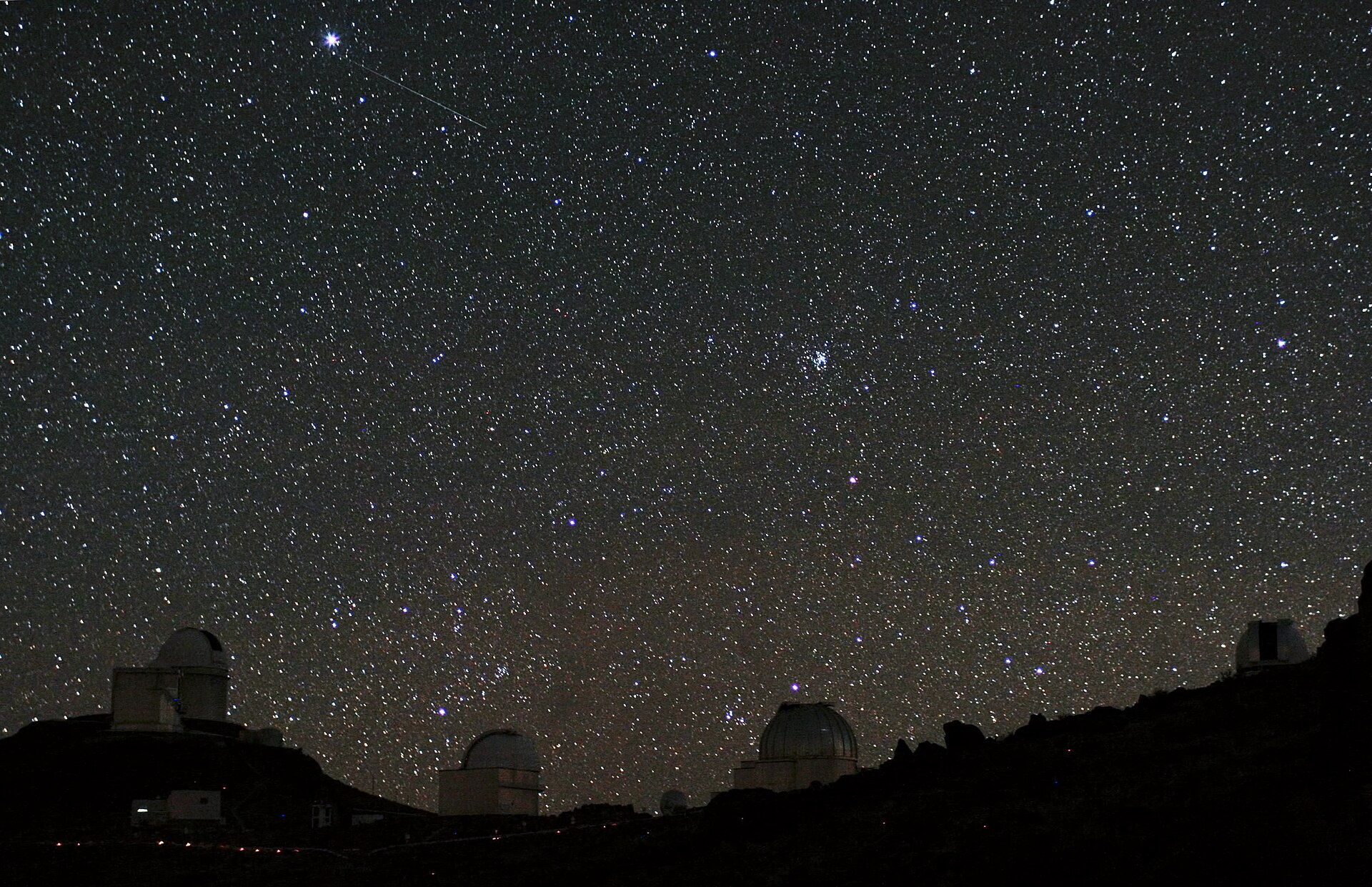
For centuries, philosophers and scientists have wondered about the possibility of habitable planets outside the Solar System. Today, this idea is more than speculation: many hundreds of exoplanets have been discovered over the last couple of decades, by astronomers all over the world. Various different techniques are used in this search for new worlds. In this unusual photograph, telescopes using two of these methods, the ESO 3.6-metre telescope with the HARPS spectrograph, and the space telescope CoRoT, have been captured in the same shot. The photograph was taken by Alexandre Santerne, an astronomer who studies exoplanets himself. The High Accuracy Radial velocity Planetary Search (HARPS) spectrograph, the world’s foremost exoplanet hunter, is an instrument on ESO’s 3.6-metre telescope. The open dome of this telescope can be seen on the left of this image, behind the angular enclosure of the New Technology Telescope. HARPS finds exoplanets by detecting small changes in the motion of a star as it wobbles slightly under the gravitational pull of the orbiting planet. This is known as the radial velocity technique for finding exoplanets. The faint trail of light high in the sky in this 20-second exposure is not a meteor but CoRoT, the Convection Rotation and planetary Transits space telescope. CoRoT searches for planets by looking for the dimming of light from a star which occurs when a planet passes in front of it — the transit method. The space telescope’s location above the Earth’s atmosphere improves the accuracy of its observations by removing the twinkling of stars. Potential planets found by the transit method are confirmed using complementary techniques such as the radial velocity method. Indeed, on very the night that this photograph was taken, HARPS was being used to follow up exoplanet candidates detected by CoRoT! In November 2012, CoRoT unfortunately suffered a computer problem, meaning that — although it is still functioning — it can no longer retrieve data from its telescope (see the news on the CoRoT website , or for example this Nature News article ). The CoRoT team have not given up though, and are working to revive the systems. Whether or not CoRoT can be revived, there is certainly no doubt that the mission has already been a great success! The spacecraft has doubled its originally planned mission lifetime, and was the first spacecraft to discover an exoplanet using the transit method. CoRoT has made great contributions, both to the search for exoplanets, and to the study of the interiors of stars through the field of asteroseismology. The search for exoplanets helps us understand our own planetary system, and may be the first step towards finding life beyond Earth. HARPS and CoRoT are just two of the many exciting instruments developed to assist astronomers with this search. Alexandre submitted this photograph to the Your ESO Pictures Flickr group . The Flickr group is regularly reviewed and the best photos are selected to be featured in our popular Picture of the Week series, or in our gallery. In 2012, as part of ESO’s 50th anniversary year, we are also welcoming your historical ESO-related images. Since submitting the photo, Alexandre has also become an ESO Photo Ambassador .

Facebook community

Join the Save our beautiful Planet community.

Follow the Page and take part ↗

Current edition

Ideas, people and practical ways forward.

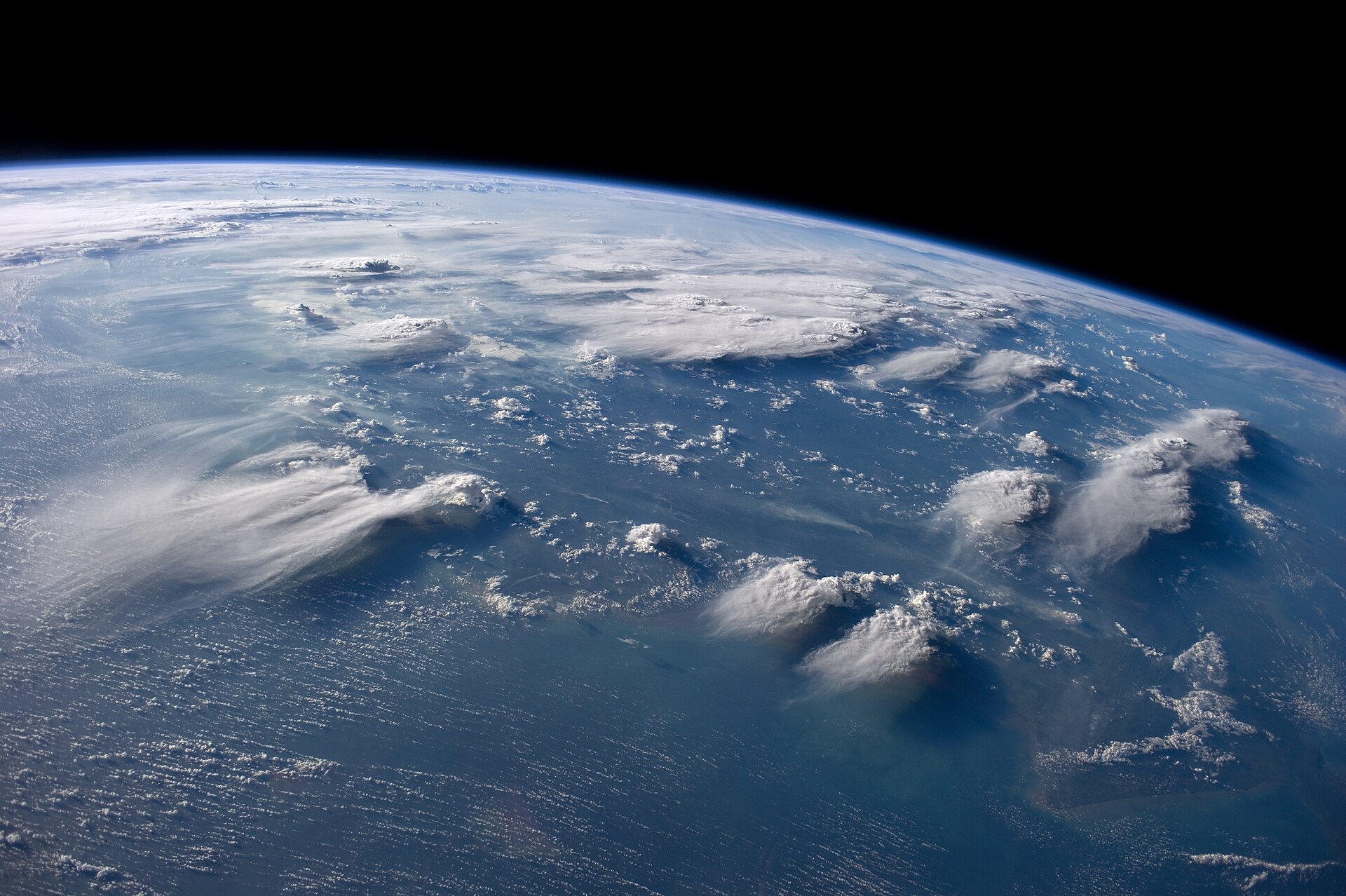
Thunderheads near Borneo , Indonesia are featured in this image photographed by an Expedition 40 crew member on the International Space Station. Crews aboard the International Space Station (ISS) have recently focused their cameras on panoramic views of clouds. Many of the photographs have been taken with lenses similar to the focal length of the human eye. Such images help us see Earth the way ISS crews see it from their perch 350 kilometers above—with a strong three-dimensional sense and a broad view of the planet. In this image, late afternoon sunlight casts long shadows from thunderhead anvils down onto southern Borneo. Near the horizon (image top center), more than 1000 kilometers away from the space station, storm formation is assisted by air currents rising over the central mountains of Borneo. Winds usually blow in different directions at different altitudes. At the time of this photo, high-altitude winds were clearly sweeping the tops off the many tallest thunderclouds, generating long anvils of diffuse cirrus plumes that trail south. At lower levels of the atmosphere, “streets” of white dots—fair-weather cumulus clouds—are aligned with west-moving winds. Small smoke plumes from forest fires in Borneo are also aligned west. Caption by M. Justin Wilkinson, Jacobs and Michael Trenchard, Barrios Technology at NASA-JSC

Feature 01

Origins and context

An independent editorial publication connected with the Save our beautiful Planet Facebook community. This feature looks beyond the headline and asks what the idea means in lived experience.
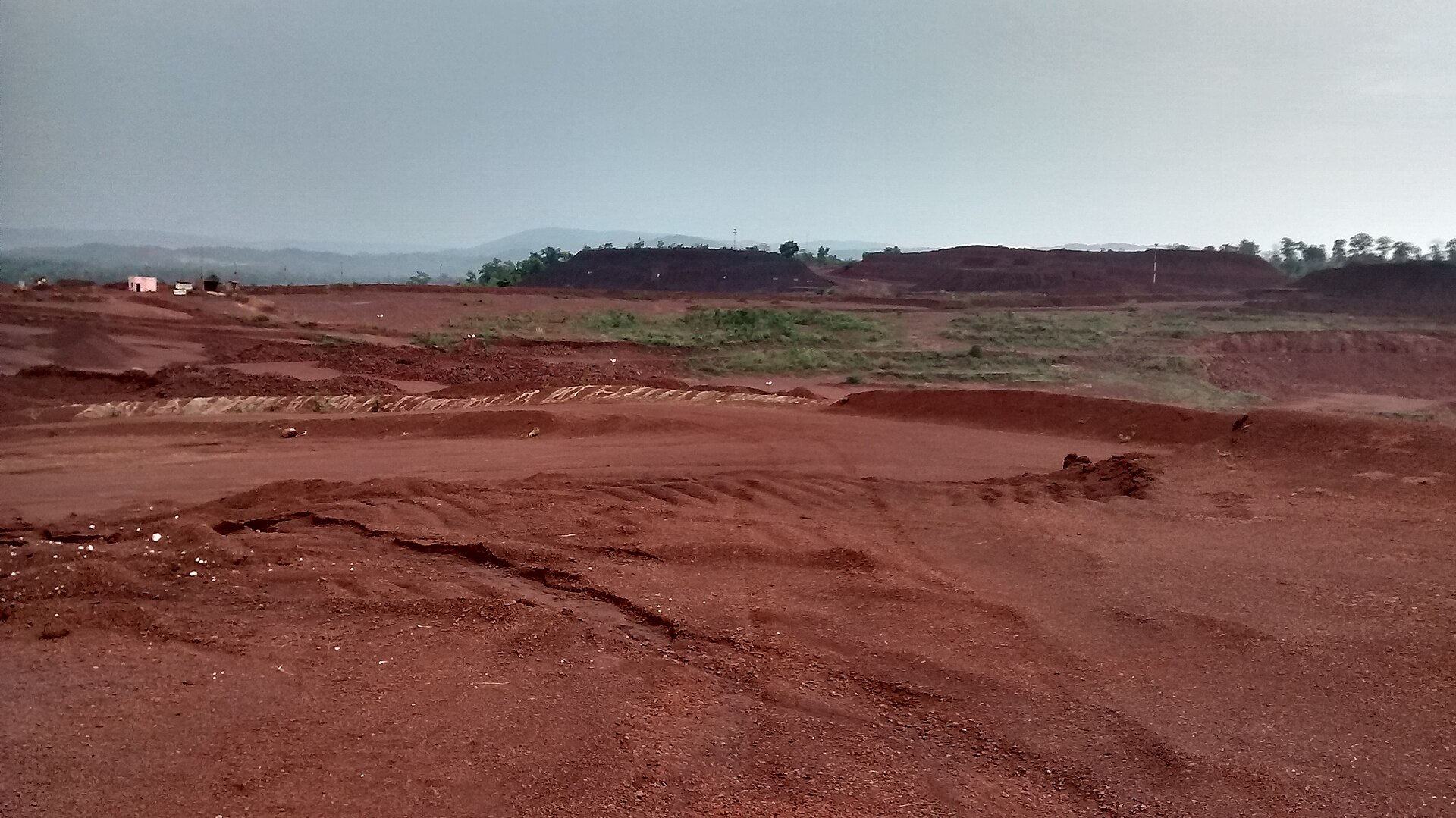
Iron Ore Mines on Koida,Sundargarh

Feature 02

People and perspectives

An independent editorial publication connected with the Save our beautiful Planet Facebook community. This feature looks beyond the headline and asks what the idea means in lived experience.
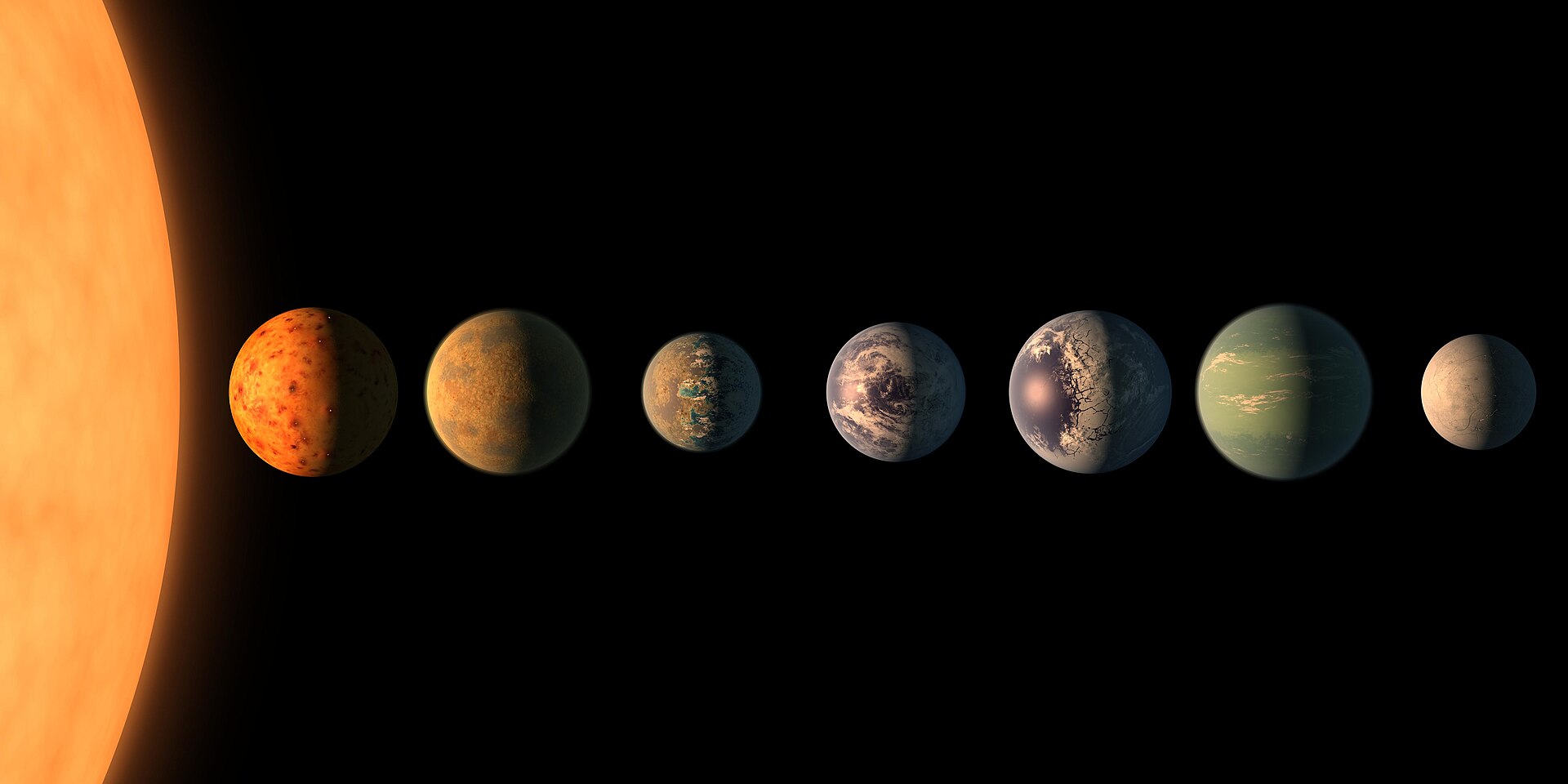
This artist's concept shows what the TRAPPIST-1 planetary system may look like, based on available data about the planets' diameters, masses and distances from the host star. The system has been revealed through observations from NASA's Spitzer Space Telescope and the ground-based TRAPPIST (TRAnsiting Planets and PlanetesImals Small Telescope) telescope, as well as other ground-based observatories. The system was named for the TRAPPIST telescope. The seven planets of TRAPPIST-1 are all Earth-sized and terrestrial, according to research published in 2017 in the journal Nature. TRAPPIST-1 is an ultra-cool dwarf star in the constellation Aquarius, and its planets orbit very close to it. They are likely all tidally locked, meaning the same face of the planet is always pointed at the star, as the same side of our moon is always pointed at Earth. This creates a perpetual night side and perpetual day side on each planet. TRAPPIST-1b and c receive the most light from the star and would be the warmest. TRAPPIST-1e, f and g all orbit in the habitable zone, the area where liquid water is most likely to be detected. But any of the planets could potentially harbor liquid water, depending on their compositions. In the imagined planets shown here, TRAPPIST-1b is shown as a larger analogue to Jupiter's moon Io. TRAPPIST-1d is depicted with a narrow band of water near the terminator, the divide between a hot, dry day and an ice-covered night side. TRAPPIST-1e and TRAPPIST-1f are both shown covered in water, but with progressively larger ice caps on the night side. TRAPPIST-1g is portrayed with an atmosphere like Neptune's, although it is still a rocky world. TRAPPIST-1h, the farthest from the star, would be the coldest. It is portrayed here as an icy world, similar to Jupiter's moon Europa, but the least is known about it. NASA's Jet Propulsion Laboratory, Pasadena, California, manages the Spitzer Space Telescope mission for NASA's Science Mission Directorate, Washington. Science operations are conducted at the Spitzer Science Center at Caltech, also in Pasadena. Spacecraft operations are based at Lockheed Martin Space Systems Company, Littleton, Colorado. Data are archived at the Infrared Science Archive housed at Caltech/IPAC. Caltech manages JPL for NASA. For more information about the Spitzer mission, visit http://www.nasa.gov/spitzer and http://spitzer.caltech.edu .

Feature 03

Practical action

An independent editorial publication connected with the Save our beautiful Planet Facebook community. This feature looks beyond the headline and asks what the idea means in lived experience.
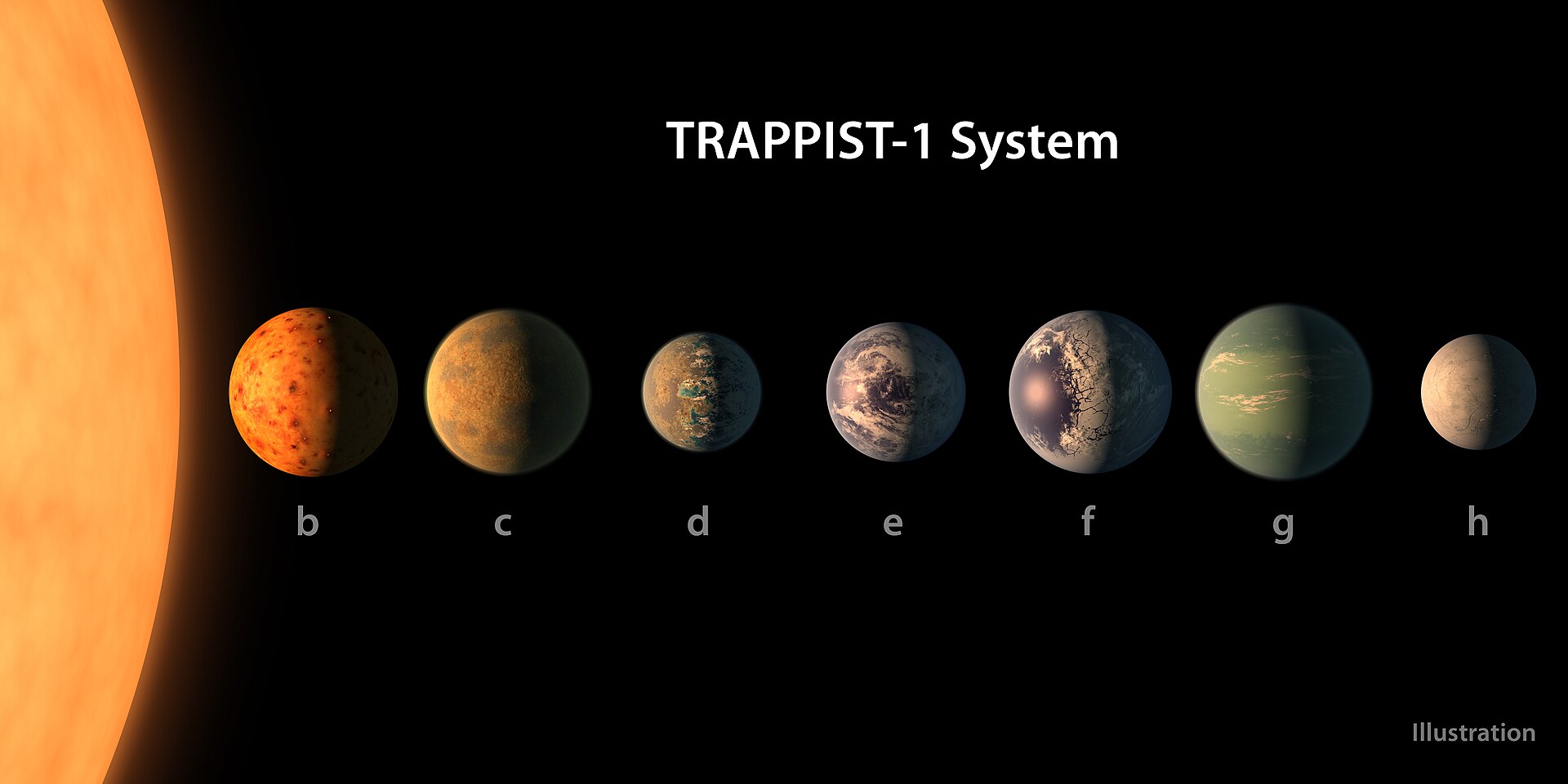
This artist's concept shows what the TRAPPIST-1 planetary system may look like, based on available data about the planets' diameters, masses and distances from the host star. The system has been revealed through observations from NASA's Spitzer Space Telescope and the ground-based TRAPPIST (TRAnsiting Planets and PlanetesImals Small Telescope) telescope, as well as other ground-based observatories. The system was named for the TRAPPIST telescope. The seven planets of TRAPPIST-1 are all Earth-sized and terrestrial, according to research published in 2017 in the journal Nature. TRAPPIST-1 is an ultra-cool dwarf star in the constellation Aquarius, and its planets orbit very close to it. They are likely all tidally locked, meaning the same face of the planet is always pointed at the star, as the same side of our moon is always pointed at Earth. This creates a perpetual night side and perpetual day side on each planet. TRAPPIST-1b and c receive the most light from the star and would be the warmest. TRAPPIST-1e, f and g all orbit in the habitable zone, the area where liquid water is most likely to be detected. But any of the planets could potentially harbor liquid water, depending on their compositions. In the imagined planets shown here, TRAPPIST-1b is shown as a larger analogue to Jupiter's moon Io. TRAPPIST-1d is depicted with a narrow band of water near the terminator, the divide between a hot, dry day and an ice-covered night side. TRAPPIST-1e and TRAPPIST-1f are both shown covered in water, but with progressively larger ice caps on the night side. TRAPPIST-1g is portrayed with an atmosphere like Neptune's, although it is still a rocky world. TRAPPIST-1h, the farthest from the star, would be the coldest. It is portrayed here as an icy world, similar to Jupiter's moon Europa, but the least is known about it. NASA's Jet Propulsion Laboratory, Pasadena, California, manages the Spitzer Space Telescope mission for NASA's Science Mission Directorate, Washington. Science operations are conducted at the Spitzer Science Center at Caltech, also in Pasadena. Spacecraft operations are based at Lockheed Martin Space Systems Company, Littleton, Colorado. Data are archived at the Infrared Science Archive housed at Caltech/IPAC. Caltech manages JPL for NASA. For more information about the Spitzer mission, visit http://www.nasa.gov/spitzer and https://spitzer.caltech.edu .

Feature 04

Origins and context

An independent editorial publication connected with the Save our beautiful Planet Facebook community. This feature looks beyond the headline and asks what the idea means in lived experience.
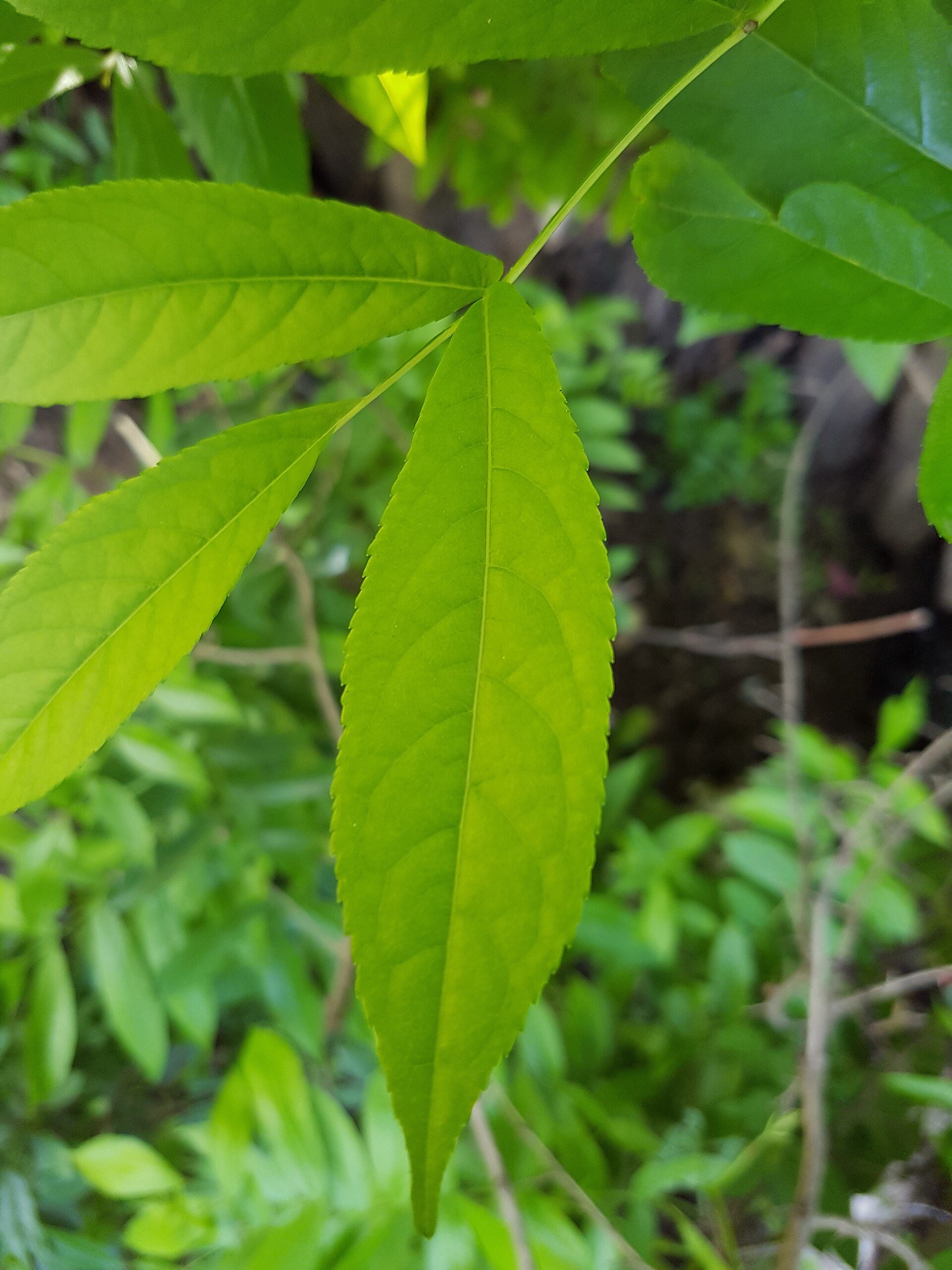
الشجرة التين والأغنامPlanet occupied nature vs digital planet occupied natureBeauty of nature1 Child Per Woman

From the editor

Depth before speed.

This publication connects the immediacy of a Facebook community with the permanence of a carefully edited website. The aim is to preserve useful context, make room for longer reading and give important ideas a home beyond the social feed.

Images are selected for relevance and dignity. Factual claims should be checked against current primary sources, while community stories remain clearly identified as experience rather than universal proof.